
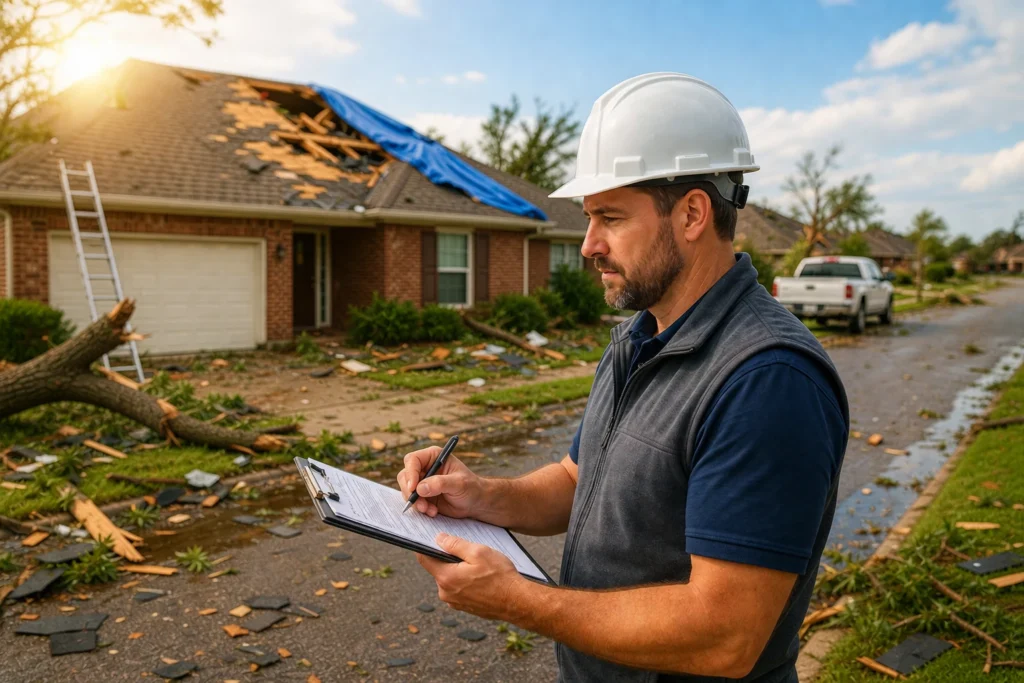
Property damage is stressful. One moment everything is normal, and the next you are dealing with roof leaks, broken windows, smoke damage, or flooding. The insurance claim process begins quickly—but understanding when to hire a public adjuster can make a major difference in how your claim unfolds.
Many property owners assume their insurance company will automatically handle everything fairly. Sometimes that happens. But often the process becomes complicated, slow, or confusing. Estimates vary. Documentation grows. Questions multiply.
This is exactly where a public adjuster steps in.
Knowing when to hire a public adjuster can help homeowners and business owners protect their financial interests, reduce stress, and potentially recover a more accurate claim settlement. In places like Waxahachie, where storms, hail, and severe weather regularly impact properties, understanding this decision becomes even more important.
Let’s walk through how public adjusters work, when you should bring one in, and how to decide if professional claim assistance is right for your situation.
What Is a Public Adjuster?
A public adjuster is a licensed insurance professional who represents the policyholder, not the insurance company.
This distinction matters.
Insurance companies send their own adjusters to evaluate damage and determine how much they believe the claim is worth. Those adjusters work for the insurer. A public adjuster works for you.
Their job is straightforward:
- Document property damage
- Review your insurance policy
- Prepare a detailed claim estimate
- Negotiate directly with the insurance company
- Help secure a fair settlement
Public adjusters typically assist with claims involving:
- Fire damage
- Water and plumbing damage
- Storm and hail damage
- Roof damage
- Hurricane damage
- Commercial property losses
Because they understand both insurance policies and construction costs, they act as a bridge between the property owner and the insurer.
And that expertise becomes critical in certain situations.
How the Insurance Claims Process Works
Before discussing when to hire a public adjuster, it helps to understand how insurance claims normally unfold.
The process usually follows these steps.
1. Filing the Claim
After damage occurs, the property owner contacts the insurance company to report the loss. This triggers the claims process.
2. Insurance Inspection
The insurance company sends an adjuster to inspect the property and evaluate the damage.
3. Damage Estimate
The insurer prepares an estimate outlining the cost of repairs and the amount they believe should be paid under the policy.
4. Settlement Offer
A payment offer is made. Sometimes this happens quickly. Other times it requires additional documentation or inspections.
5. Repairs Begin
Once a settlement is reached, repairs or rebuilding work begins.
Simple in theory.
But in reality, complications often arise:
- Damage gets overlooked
- Repair estimates are lower than contractor quotes
- Policy coverage questions appear
- Claim timelines stretch out
When these issues happen, property owners begin asking the same question: when to hire a public adjuster.
Key Signs It’s Time to Hire a Public Adjuster
Not every claim requires professional assistance. But certain situations strongly suggest that bringing in an advocate could help.
Here are the most common signs.
Large or Complex Property Damage
Major damage quickly becomes complicated.
When multiple parts of a property are affected—roofing, structural components, electrical systems, drywall, flooring—the claim documentation grows significantly. Insurance estimates may miss details or underestimate repair costs.
In large-loss situations, knowing when to hire a public adjuster can prevent important damage from being overlooked.
Public adjusters typically create highly detailed loss reports that include:
- Room-by-room damage documentation
- Structural inspection findings
- Itemized repair costs
- Material replacement values
For major claims, this level of detail can make a huge difference.
The Insurance Claim Was Denied
Claim denials happen more often than people expect.
Sometimes the insurer believes the damage is not covered. Other times they argue the damage occurred before the policy started. In some cases, they claim the damage resulted from maintenance issues instead of a sudden event.
A public adjuster can review the policy and the inspection results to determine whether the denial may be challenged.
If your claim was denied, it may be time to evaluate when to hire a public adjuster to reopen the claim or submit additional documentation.
The Settlement Offer Feels Too Low
This situation is extremely common.
A contractor estimates $45,000 in repairs, while the insurance company offers $18,000. The numbers simply do not match.
Insurance estimates may exclude certain repair items or calculate materials differently than contractors. Without experience in insurance documentation, many property owners struggle to challenge these estimates.
This is one of the clearest examples of when to hire a public adjuster.
Public adjusters understand how insurers calculate claims and can negotiate adjustments based on:
- Updated repair estimates
- Additional damage documentation
- Policy coverage language
Their negotiation experience can often bridge large gaps between estimates.
Commercial Property or Business Interruption Claims
Commercial insurance claims are complex.
A single business loss might include:
- Structural damage
- Equipment replacement
- Inventory loss
- Business interruption income
- Temporary relocation expenses
Calculating these losses accurately requires detailed financial analysis.
When business operations are affected, knowing when to hire a public adjuster becomes even more critical because lost income calculations must be supported by financial records and projections.
For business owners, professional claim management can protect both property and revenue recovery.
You Simply Don’t Have Time to Manage the Claim
Insurance claims demand time. A lot of it.
Property owners must:
- Document damage
- Meet with adjusters
- Collect repair estimates
- Review insurance paperwork
- Respond to insurer questions
For many people, this becomes overwhelming—especially while dealing with property repairs or relocation.
One overlooked factor in deciding when to hire a public adjuster is time. Hiring a professional allows property owners to focus on recovery while the adjuster handles the claim negotiations.
Situations Where Hiring a Public Adjuster Makes the Most Sense
Some scenarios naturally call for professional claim assistance.
The following table highlights common examples.
| Situation | Why a Public Adjuster Helps |
| Fire damage | Multiple repair categories and complex documentation |
| Severe storm or hail damage | Roof, siding, and interior damage assessments |
| Hurricane or wind damage | Large-scale structural loss |
| Water damage or plumbing failures | Hidden damage behind walls and flooring |
| Commercial property loss | Business interruption and financial documentation |
In these cases, determining when to hire a public adjuster early in the process can lead to smoother claim management.
Benefits of Hiring a Public Adjuster
Hiring a public adjuster is not just about negotiating money. It also improves the entire claims experience.
Professional Damage Evaluation
Public adjusters perform detailed inspections designed to capture every category of damage.
They often identify issues that may not appear in an initial insurance inspection.
Stronger Negotiation With Insurance Companies
Insurance adjusters negotiate claims daily.
Public adjusters do too.
This professional familiarity helps balance the negotiation process and ensures that damage documentation receives proper consideration.
Maximizing the Claim Settlement
A properly documented claim often leads to more accurate repair estimates.
Public adjusters focus on:
- Replacement cost calculations
- Hidden structural damage
- Code upgrade requirements
- Additional repair items
All of these elements can affect final settlement amounts.
Reduced Stress for Property Owners
Perhaps the biggest advantage?
Peace of mind.
Once a public adjuster takes over the claim management process, they typically handle:
- Insurance communication
- Inspection scheduling
- Claim documentation
- Negotiation updates
This allows property owners to focus on rebuilding.
Potential Downsides to Consider
While there are many benefits, it is also important to understand the trade-offs.
Adjuster Fees
Public adjusters typically charge a percentage of the final claim settlement.
The fee structure often looks like this:
| Claim Size | Typical Fee Range |
| Small claims | 10% – 15% |
| Mid-size claims | 8% – 12% |
| Large claims | 5% – 10% |
For major claims, many property owners feel the additional settlement value outweighs the fee.
Still, understanding when to hire a public adjuster means evaluating whether the claim size justifies the cost.
Small Claims May Not Need One
Minor repairs—such as a small roof patch or minor water damage—may not require professional assistance.
If the insurance company offers a fair settlement quickly, a public adjuster may not add significant value.
How to Choose the Right Public Adjuster
Not all adjusters have the same experience.
When evaluating professionals, look for several key factors.
Verify Licensing
Public adjusters must be licensed in the state where they operate. Texas requires proper certification.
Look for Relevant Claim Experience
Ask how many claims similar to yours they have handled. Experience with specific damage types matters.
Review References
A reputable public adjuster should be able to provide past client feedback or case examples.
Understand the Contract
Before signing any agreement, confirm:
- Fee structure
- Services provided
- Expected claim timeline
Transparency is essential.
Questions to Ask Before Hiring a Public Adjuster
When deciding when to hire a public adjuster, asking the right questions can clarify your options.
Consider asking:
- Are you licensed to work in Texas?
- How long have you handled property damage claims?
- What percentage fee do you charge?
- How will you communicate updates during the claim?
- How long does the claims process usually take?
These questions help establish trust and set expectations.
When Not to Hire a Public Adjuster
Professional help is not always necessary.
Situations where hiring one may not make sense include:
- Minor property damage claims
- Quick and fair insurance settlements
- Claims that require legal representation instead of negotiation
Understanding when to hire a public adjuster also means knowing when the claim process is already working smoothly.
The Value of Local Expertise in Waxahachie
Local experience matters.
Waxahachie and the surrounding North Texas region regularly experience weather events that lead to property damage, including:
- Hailstorms
- High winds
- Severe thunderstorms
- Roof damage from debris
A public adjuster familiar with the area often understands local construction costs, contractor pricing, and regional weather patterns.
That local insight can improve claim documentation and repair estimates.
Final Thoughts: Knowing the Right Time to Bring in Help
Property damage can disrupt life quickly.
Insurance claims are meant to help restore what was lost, but navigating the process alone can sometimes feel overwhelming. Understanding when to hire a public adjuster allows property owners to make smarter decisions during difficult situations.
In general, hiring a public adjuster makes the most sense when:
- Damage is extensive
- The claim becomes complicated
- Settlement offers seem too low
- Business income losses are involved
- You simply want experienced guidance
The key is timing.
The sooner the right professional becomes involved, the easier it is to document damage, negotiate with insurers, and move the claim toward a fair resolution.
If you are dealing with property damage in Waxahachie, taking the time to evaluate when to hire a public adjuster could make a meaningful difference in the outcome of your claim—and your peace of mind.